Singapore’s education landscape is highly competitive, particularly when it comes to mastering Mother Tongue languages such as Mandarin. Many parents see enrolling their children in a top Chinese tuition centre in Singapore as a strategic decision to achieve early language fluency. These centres don’t just offer textbook learning; they implement structured, age-appropriate, and research-backed teaching methodologies designed to support both pre-literacy development and long-term language retention.
Discover the specific teaching approaches used in Chinese enrichment programs for K1 and K2, and how they differ to address each stage of early childhood development.
K1 Focus: Exposure, Recognition, and Auditory Familiarity
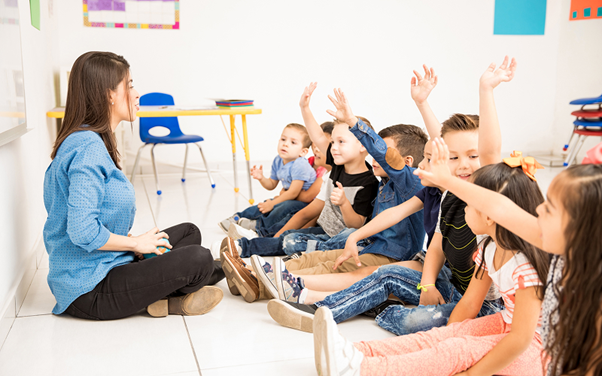
The emphasis in a Chinese enrichment class for K1 is on introducing Mandarin in a way that feels natural and engaging. Teaching methods for this age group are built around the idea of immersion, ensuring that children are exposed to as much spoken Chinese as possible without pressuring them to reproduce it fluently right away. This approach aligns with how children typically acquire their first language at home.
Centres begin by building aural familiarity through songs, interactive stories, and speech-based activities. These exercises help children recognise tones, rhythm, and sentence patterns—critical components of Mandarin. Visual aids and pictorial learning materials are also key tools. For example, flashcards with large characters accompanied by images reinforce word-object association. Some centres also incorporate Total Physical Response (TPR) methods, where physical movement is paired with language, making vocabulary stick better in young minds.
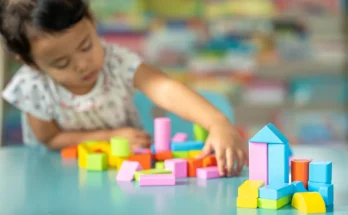
Additionally, play-based learning dominates the K1 curriculum. Lessons are often structured around thematic units, such as animals, food, or festivals, where new words and phrases are introduced in context. Teachers at a top Chinese tuition centre are trained to scaffold their instructions, repeating key phrases regularly and using simple commands in Mandarin to build natural understanding. Writing is not yet a priority at this stage. Instead, children are encouraged to draw characters in sand, trace strokes with fingers, or use building blocks to form shapes. These activities prepare fine motor skills while keeping the focus on language exposure rather than memorisation.
K2 Focus: Structured Language Use, Stroke Order, and Oral Practice
In contrast, the Chinese enrichment class for K2 shifts toward more structured learning. This stage is where tuition centres start to prepare children for Primary 1 expectations. The teaching methods at this level are noticeably more academic but still developmentally appropriate. Children are now expected to identify Chinese characters independently, understand simple sentence structures, and even begin basic writing.
A major instructional focus in K2 classes is stroke order. Children are taught to write characters using correct sequencing, which is essential for legibility and long-term writing fluency. Centres often use grid books and guided writing sheets to reinforce this skill. Lessons also include dictation exercises and simple composition practices where students are asked to write short phrases or label pictures using learned vocabulary.
Oral language development becomes more formalised in K2 as well. Teachers introduce guided reading sessions using levelled Mandarin readers. Group reading activities are common, with centres encouraging students to read aloud, identify characters, and answer comprehension questions verbally. Centres also conduct “show and tell” sessions in Mandarin, where students are asked to describe objects or recount weekend activities using newly acquired vocabulary.
Another hallmark of K2 teaching is the use of assessment tools to monitor readiness. A top Chinese tuition centre typically integrates short quizzes, flashcard drills, and oral tests to gauge progress. While not high-stakes, these assessments provide teachers with data to adjust instruction and identify areas where individual students may require more support.
Conclusion
The teaching strategies employed by top Chinese tuition centres are designed to align with the cognitive and linguistic stages of K1 and K2 learners. From play-based exposure at the K1 level to structured character writing and oral drills in K2, these centres offer tailored methodologies that evolve with the child’s development. Understanding these distinct approaches can help parents considering a Chinese enrichment class for K1 or K2 in selecting a programme that is not only age-appropriate but also aligned with long-term language acquisition goals.
Contact Tien Hsia Language School to enrol your child in a Chinese enrichment programme that matches their developmental needs.