Playgroup may look like all fun and games, but there’s a lot going on beneath the surface. For toddlers, every block stack, paint dab, and storytime session is a building block for life. If you’re wondering what actually happens inside a playgroup classroom at an international school in Singapore, the answer is more structured than you’d expect.
A Routine That Makes Room for Curiosity
At this age, structure matters-but so does freedom. The day usually follows a familiar rhythm, which helps toddlers feel safe. There’s a gentle balance of indoor and outdoor time, group activities and solo play, quiet moments and bursts of action. The aim is to help children settle into school life without feeling overwhelmed.
Playgroup routines at the best international schools in Singapore often include welcome time, story sessions, sensory play, music, snack breaks, and outdoor exploration. Each part is designed to boost different areas of development: social, emotional, cognitive, and physical.
Language, Laughter, and Listening Skills
Communication is at the heart of any playgroup programme. Toddlers may not be having full conversations yet, but they’re learning fast. Songs, books, and conversations with teachers all help to grow their vocabulary and spark a love for language.
Many classrooms use both English and another language to introduce bilingualism early on. This gives children exposure without pressure. The idea isn’t to master a language overnight, but to create positive associations with sounds, words, and expression.
Teachers encourage kids to speak up, listen to others, and express their needs. These are the basics of confident communication, and they start here.
Learning Through Play
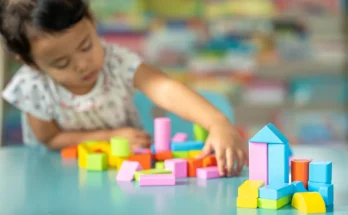
Toddlers don’t need textbooks. They need play that teaches. Sand trays, building blocks, water tubs, and role-play corners all turn into mini labs for discovery. When a child fills a cup and watches water spill, they’re learning about cause and effect. When they stack blocks, they’re testing balance, size, and patience.
The best international schools in Singapore curate these play setups to offer meaningful fun with purpose. They build problem-solving skills, coordination, focus, and creativity. It’s hands-on, and yes, sometimes messy, but mess is part of the method.
Emotional Intelligence Starts Here
You might think big emotions are too much for small children, but that’s exactly why playgroups make room for emotional learning. Teachers guide toddlers through feelings like frustration, excitement, and sadness in ways they can understand.
They might model sharing, help resolve small conflicts, or talk through moments of upset. Circle times may include simple mindfulness activities or group chats about feelings. These lessons are small but steady steps that shape how children relate to themselves and others.
Motor Skills on the Move
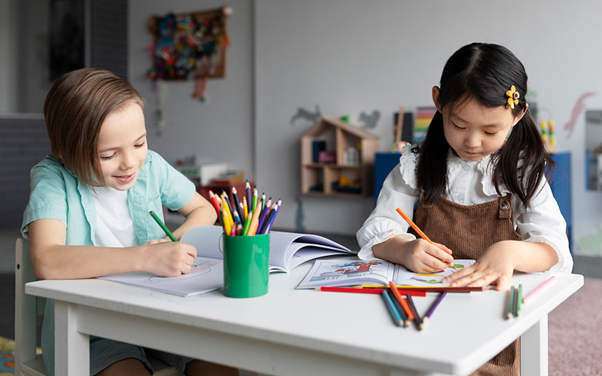
Developing strong motor skills is part of the daily mix. Playgroup activities focus on both fine and gross movements. Toddlers engage in hands-on activities like colouring with oversized crayons, lacing simple shapes, climbing padded play structures, and riding small tricycles.
An international school in Singapore usually includes a safe outdoor space where toddlers can run, jump, and burn off energy. Inside the classroom, toddlers explore hands-on materials such as matching games, soft clay, and textured bins that build fine motor control and coordination. These playtime favourites are steps toward writing, self-care, and physical confidence.
Themes That Make Learning Relatable
Rather than jumping from topic to topic, playgroup curriculums often use simple themes. One week might focus on animals, another on family, food, or weather. These themes give structure to the activities, making it easier for toddlers to connect the dots.
Storybooks, songs, and crafts all tie back to the weekly theme. This way, children reinforce what they’ve heard, seen, and tried through repetition across different forms. It’s a light-touch approach that builds memory and association.
A Place for Parents Too
Parents aren’t left out of the picture. Playgroups in international schools often include parent communication channels, class updates, and even short meet-the-teacher sessions. Some offer brief orientation meetings or progress chats to help parents understand their child’s experience.
This builds trust and helps families stay connected to what’s happening in the classroom. After all, when toddlers head home and excitedly sing a song or repeat a new word, it’s more meaningful when the parent knows the context.
Where First Steps Matter
Playgroup is more than babysitting. It’s the first step in a child’s relationship with school. A good programme gives children the space to explore, express, and enjoy themselves while picking up the basics for later learning.
It’s not about pushing kids to perform. It’s about laying a solid, joyful foundation. Contact EtonHouse to learn how their international school in Singapore makes every toddler’s first step into education count.