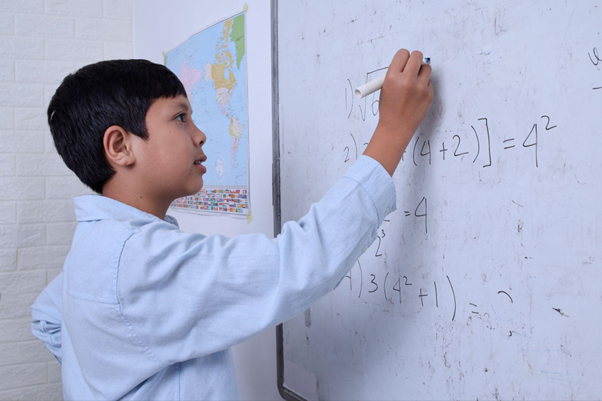
Secondary school marks a dramatic shift in academic intensity, particularly when it comes to mathematics. The jump from basic arithmetic to algebra, geometry, and trigonometry can overwhelm even confident students. Concepts become more abstract, exam expectations rise, and classroom teaching may not always accommodate each student’s pace of learning. It is where math tuition for secondary students can make a significant difference. By offering focused, personalised instruction, secondary-level tutoring helps students bridge knowledge gaps, improve exam readiness, and develop long-term problem-solving strategies.
Addressing the Complexity of Secondary Math
Unlike primary school topics that focus on foundational skills, secondary math introduces new branches like algebraic manipulation, quadratic equations, and probability. These subjects require not only understanding but also application under time constraints. Many students struggle to adapt without additional support. With structured math tutoring, learners are guided through these topics step by step. Tutors clarify problem types, walk through processes, and revisit concepts until mastery is achieved. This regular reinforcement reduces confusion and boosts classroom performance.
Customised Help Beyond the School Syllabus
Math tuition for secondary learners is most effective when it’s tailored to individual needs. Not every student is struggling with the same topic. Some may need help interpreting word problems, while others might fall behind in graphing or transformations. Through one-on-one or small group sessions, tutors can assess weaknesses and modify lesson plans accordingly. This flexible approach makes tutoring more efficient than school-wide revision classes and ensures that time is spent on what each student truly needs.
Strengthening Exam Preparedness
Secondary school exams are high-stakes, especially with the O-Levels in view. Students are expected to apply multiple concepts across different topics in a single question. Math tutoring ensures students become familiar with these formats early. Mock exams, timed drills, and error analysis help develop essential test-taking techniques. Tutors highlight common traps and show learners how to maximise marks by structuring answers correctly. The goal of these sessions extends beyond solving sums to the more critical task of building strategic thinking.
Reinforcing Learning Through Regular Practice
Consistent practice is key to mastering mathematics. However, many students are unsure how to practise effectively on their own. Math tuition for secondary students introduces structured problem sets aligned with their school curriculum, ensuring steady progress. Tutors monitor work habits, correct misconceptions in real time, and encourage review of past mistakes. These habits, once ingrained, carry over to other subjects and improve overall academic discipline.
Support Through Transitional Stages
The transition from lower to upper secondary is a critical stage in a student’s education. It is particularly true for the shift into more demanding A-Math or pure math streams. Learners who thrived in earlier years may suddenly find themselves overwhelmed. Math tutoring provides support during these transitions, easing the learning curve with scaffolding techniques and clear explanations. Tutors can also advise whether a student is suited for more advanced math tracks based on performance and attitude, helping families make informed academic decisions.
Creating a Safe Space for Questions
In large classroom settings, many students hesitate to raise their hands. They fear slowing down the lesson or being judged for not understanding. Tutoring offers a private, non-judgmental environment where students feel free to ask questions and make mistakes. This safe space encourages curiosity and builds confidence, both of which are crucial for deeper learning. Over time, students gain not just better grades but a more proactive learning mindset.
Parental Involvement and Tutor Feedback
Math tuition for secondary school often comes with progress tracking that benefits both students and parents. Tutors frequently provide updates on improvement areas, learning milestones, and behavioural patterns. It allows families to stay engaged in the student’s progress and offer additional encouragement at home. Some tuition centres also offer mid-term reviews and performance reports that help in setting realistic academic goals before major exams.
Conclusion
Math tutoring plays a pivotal role in the academic journey of secondary students. It helps them adjust to the increasing complexity of topics, prepares them thoroughly for exams, and nurtures confidence in handling challenging content. Whether your child is catching up or aiming to excel, focused tuition provides the extra guidance that often makes the difference between struggling and thriving in mathematics.
To support your child with strategic and effective tutoring, contact Sirius Mathematics today.