Key Takeaways
- Emotional preparation is just as important as having the right gear for a first class.
- Choosing a reputable ballet academy in Singapore ensures a safe and age-appropriate introduction to dance.
- Parents should focus on encouragement rather than perfection during the early stages of learning.
- Basic social skills, like following instructions and taking turns, are the core of the first few sessions.
Introduction
There is something truly magical about the day a child attends their very first ballet lesson. The excitement of the new outfit, the big mirrors in the studio, and the promise of learning to move like a prince or princess can make it a milestone to remember. However, for a young child, new environments can also be a little overwhelming. You know what? It is perfectly normal for a toddler or preschooler to feel a mix of shyness and high energy when they first step into a ballet academy in Singapore. As a parent, your role is to bridge the gap between their anticipation and the reality of a structured class. Honestly, the way you prepare them can set the tone for their entire relationship with dance. It’s about more than just the leotard; it’s about making them feel confident, curious, and ready to explore the world through movement.
Choosing the Right Gear and Attire
Before the first day arrives, you will need to get the “uniform” ready. Most schools have specific requirements, so it is always a good idea to check with the ballet academy before you go shopping. Generally, for children’s ballet classes, this involves a leotard, tights, and soft ballet shoes. You might be tempted to buy a size larger so they can “grow into it,” but in ballet, fit is everything. Shoes that are too big can cause trips, and a leotard that is too loose can be distracting. Having the right kit doesn’t just help them move better; it makes them feel like they “belong” to the group. There is a real sense of pride that comes with putting on that professional-looking outfit for the first time.
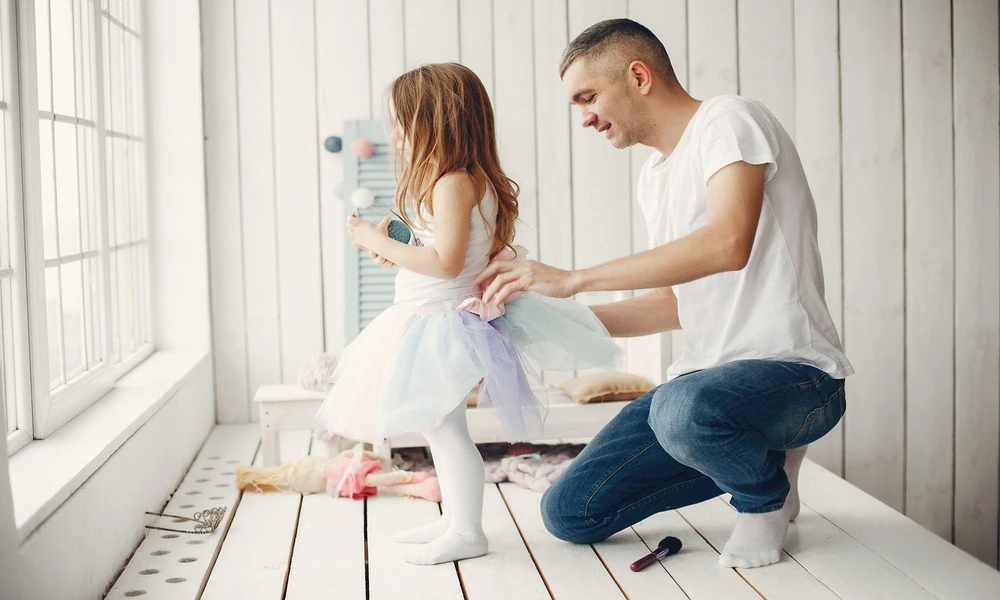
Beyond the basics, think about the hair. Most ballet classes require hair to be pulled back neatly off the face, usually in a bun. If your child has shorter hair, a simple headband or clips will do the trick. The goal is to ensure they can see clearly and aren’t constantly fidgeting with their hair during class. You know what? Turning the hair-styling process into a fun “pre-dance ritual” at home can help build excitement and reduce nerves. Let them choose their own hair ties or help you find the clips. This small bit of involvement makes the whole experience feel more personal and less like a chore. It’s these little moments of preparation that make the first day feel special and manageable.
Managing Emotional Expectations and Nerves
It is quite common for children to feel a bit of “first-day jitters.” To help them feel at ease, talk to them about what to expect. Explain that they will meet a teacher and some new friends, and that they will get to listen to beautiful music. You might even want to watch a few short videos of children’s ballet classes together so they can see the environment beforehand. This takes the mystery out of the experience and makes it feel familiar. Honestly, the biggest fear for most children is simply not knowing what comes next. By giving them a “roadmap” of the class-starting with a warm-up and ending with a bow, you give them a sense of control and security.
On the day itself, try to arrive a few minutes early. This gives your child time to soak in the atmosphere of the ballet academy without feeling rushed. Let them watch the other students coming and going; seeing older dancers in their gear can be very inspiring! If your child is particularly shy, don’t worry if they just want to sit and watch for the first ten minutes. Most experienced teachers are used to this and will gently encourage them to join in when they are ready. The key is to keep things low-pressure. You know what? The first few classes are all about getting comfortable and having fun. If they walk out with a smile, the mission is accomplished, regardless of whether they mastered a single step.
Focusing on Social Skills and Basics
For very young learners, ballet is often their first experience with a structured group activity outside of the home. This means the first few children’s ballet classes are just as much about social skills as they are about dance. They will learn how to stand in a line, how to listen when someone else is speaking, and how to follow simple instructions. These are vital life skills that go far beyond the studio. As a parent, you can reinforce these at home by playing “follow the leader” or practice “waiting for your turn” during games. It helps them understand that the teacher is there to guide them and that everyone in the room is working together.
The physical “basics” at this stage are usually very simple. Instead of complex footwork, they might practice walking on their tiptoes like “fairies,” jumping like “frogs,” or balancing on one leg like a “flamingo.” These movements are designed to build coordination, balance, and a sense of rhythm in a way that feels like play. Don’t be surprised if your child comes home and tells you they “played a game” rather than “did ballet.” That is exactly how it should be! A good ballet academy knows how to disguise hard work as fun. Over time, these playful movements will naturally evolve into the more formal techniques of classical ballet. For now, just celebrate their effort and their newfound ability to move to the beat.
Creating a Supportive Home Environment
Your attitude as a parent has a huge impact on your child’s progress. After the class, ask them what their favourite part was or if they learned a new word. Using the correct terms, like “plie” or “tendu,” shows them that you value what they are doing. However, avoid the temptation to “correct” their form at home. At this age, the joy of movement is far more important than technical perfection. If they want to dance around the living room, let them! Put on some classical music and let them show you what they learned. This positive reinforcement builds their confidence and makes them look forward to their next session. You are their biggest fan, and your encouragement is what keeps them going.
Consistency is also key. Try to make it to class every week, as the routine helps children feel secure and allows them to build on what they learned the week before. If they miss too many sessions, they might feel “lost” when they return, which can lead to frustration. Of course, life happens, and sometimes a class is missed, but aiming for a regular schedule makes a big difference. You know, seeing the same faces and hearing the same music every week creates a sense of belonging that is very comforting for a young child. It turns the ballet academy into a familiar “third space” outside of home and school where they can truly be themselves. It’s a wonderful gift to give them, a place where they can grow and shine.
Conclusion
Preparing for the first of many children’s ballet classes is an exciting journey for both parent and child. By choosing the right gear, managing those first-day nerves, and focusing on the joy of movement, you are setting the stage for a positive and rewarding experience. A quality ballet academy in Singapore provides the perfect environment for these early steps, blending discipline with creativity and fun. Remember, the goal of these early years is to foster a love for the art form and a confidence in their own bodies. Every little jump and every wobbly balance is a victory worth celebrating. We look forward to being a part of your child’s dance story. To find the perfect class for your little one, please contact us at AQ Dance.