Behind every child’s progress lies a story few people see. For families with children who have developmental delays or learning differences, progress is about unlocking potential in ways that go beyond textbooks or classrooms. In Singapore, therapy programmes for children and special needs tuition centres are playing an increasingly vital role in this journey. These spaces are dynamic environments where educators, therapists, and families come together to support each child’s growth. But what really happens behind the scenes? What makes these programmes so effective?
Where Education Meets Therapy
At the heart of every therapy programme for children is a belief that learning should adapt to the child, not the other way around. These programmes combine educational strategies with therapeutic support to help children overcome developmental barriers.
While traditional classrooms focus largely on academic outcomes, therapy-based learning environments address a child’s whole development: communication, emotional regulation, motor skills, and cognitive growth. This holistic approach ensures that every achievement, no matter how small, becomes part of a bigger, more sustainable foundation for lifelong learning.
The Hidden Structure of Individualised Learning
Behind every successful session lie hours of planning. Each child has their own Individualised Education Plan (IEP) that outlines goals, strategies, and progress markers. Therapists and educators collaborate to review these plans regularly, making adjustments based on the child’s evolving needs.
This adaptability allows therapy programmes for children to provide and deliver life skills. Every decision, from activity choice to duration, is informed by observation and evidence, ensuring the child’s comfort and confidence always come first.
The People Behind the Process
It takes a remarkable team to keep a therapy programme for children running smoothly. These include speech and occupational therapists, behavioural specialists, educational psychologists, and special educators.
Each professional brings unique expertise to the table. Together, they form an interconnected network that ensures no developmental area is overlooked. The educators delivering special needs tuition also play a crucial role. They bridge the gap between therapeutic goals and classroom learning by modifying lesson materials, introducing visual aids, and adjusting pacing to match each child’s capabilities.
The Role of Play and Creativity
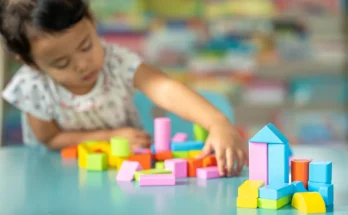
One of the most surprising aspects of a therapy programme for children is just how much learning happens through play. These activities help children express themselves and build cognitive and social skills in a natural way. Through guided interaction, children learn cause and effect, sequencing, empathy, and even emotional self-regulation.
For special needs tuition, creative learning methods such as storytelling, role-playing, or hands-on crafts help children retain information more effectively. Behind every playful moment is a carefully crafted strategy to strengthen developmental and academic growth simultaneously.
Quiet Moments That Build Confidence
Progress in a therapy programme for children often happens in small, quiet moments. These milestones might seem subtle, but they represent tremendous progress. Each success fuels a child’s sense of achievement and self-belief. Therapists celebrate these steps not with positive reinforcement and patience.
This same principle extends to special needs tuition, where confidence-building is integral. Teachers focus on encouragement over correction, recognising effort as much as results. It’s a culture of compassion that allows children to take risks without fear of failure.
Parents as Partners in Progress
Parents are integral to every therapy programme for children, working closely with therapists to reinforce strategies at home. Progress reviews and parent workshops are common features in well-structured programmes. These help families understand their child’s progress, challenges, and how to continue supportive routines beyond the classroom.
Similarly, special needs tuition centres often provide progress updates and practical resources that parents can use to encourage consistency. This partnership ensures that learning becomes part of the child’s daily life, creating continuity and confidence.
Continuous Review and Evolving Approaches
As children grow and their needs evolve, so do the teaching and therapy strategies. Regular reviews ensure the programme remains effective and aligned with developmental goals. These reviews rely on observation, assessment tools, and close feedback from parents and educators.
In special needs tuition, teachers also refine lesson plans regularly, integrating new methods or tools such as visual schedules, assistive technology, or multisensory learning techniques. Behind the scenes, this cycle of review and reflection ensures every child receives the best support possible.
Conclusion
The work that happens behind the scenes in a therapy programme for children is a powerful blend of science, compassion, and teamwork. From carefully planned sessions to spontaneous breakthroughs, every moment contributes to meaningful growth. Similarly, special needs tuition transforms learning into empowerment, helping children shine in their own way. These programmes remind us that every child learns differently, but all can thrive with the right support and understanding.
Curious about what goes on inside a therapy programme for children? Enquire at FunFeats Therapy today to know more.