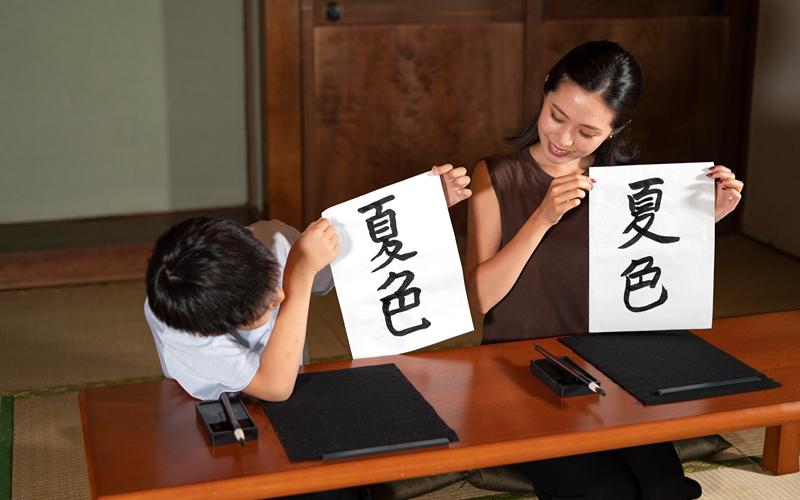
In Singapore, it’s common for parents to wonder when their child should begin learning Mandarin. With the language being such an important part of our culture and everyday life, many feel the pressure to start early. Some parents enrol their children in classes right away, while others wait until school begins. The truth is, there isn’t a single “perfect” age, but starting at the right time can make the journey a lot smoother. For families who want more structured guidance, Chinese tutors are often a helpful option.
Why Starting Young Helps
Children’s brains are like sponges, especially in the early years. They pick up sounds and words without overthinking, which is why introducing them to another language early on can feel so natural. When they hear Mandarin regularly from a young age, they become more confident with tones and pronunciation. This is why many parents choose preschool Mandarin programmes; they give children a fun and playful way to get comfortable with the language before formal schooling even begins.
Learning Through Play
At preschool age, children learn best when things feel like a game. Mandarin doesn’t have to be about strict lessons or memorising characters. Instead, it can be introduced through songs, colourful picture books, and interactive activities. For little ones, it often feels less like “studying” and more like playtime. This light-hearted approach makes them eager to learn and builds a positive relationship with the language.
Building On The Basics in Primary School
When children enter primary school, Mandarin lessons become more structured. They may have to memorise characters, practise writing, and learn grammar. Kids who already had exposure earlier usually adapt faster because they recognise words and sounds. For those starting fresh, it can be more challenging, but certainly not impossible. Many parents turn to Chinese tutors at this stage, as they can personalise lessons to fit each child’s strengths and weaknesses, keeping them motivated and on track.
Picking It Up Later in Life
Some parents worry that if their child doesn’t start Mandarin young, the window of opportunity is gone. The good news is that even teenagers and adults can learn effectively. While younger children have an easier time imitating sounds, older learners often do better at understanding grammar and applying it logically. They may not be as quick with pronunciation, but they tend to grasp reading and comprehension faster.
Making Mandarin Part of Daily Life
One of the biggest challenges in Singapore is balancing Mandarin with everything else kids have to learn. If it feels like just another subject to pass, children may lose interest. That’s why weaving the language into everyday life works best. Watching Mandarin cartoons, singing along to songs, or simply using short phrases at home can help children practise without pressure. For preschool Mandarin learners, this natural exposure keeps the language alive beyond the classroom.
The Importance of Consistency
No matter the age, the secret to success is consistency. A little practice every day adds up over time. Reading a short story before bed or chatting in Mandarin during meals can make a big difference. Parents don’t need to be experts either—showing enthusiasm for the language can encourage children to stay curious. And when extra support is needed, Chinese tutors provide that steady guidance to keep progress going.
Conclusion
There isn’t a strict age that guarantees success in learning Mandarin, but starting early certainly gives children an edge. Preschoolers soak up sounds naturally, while older learners bring focus and reasoning skills to the table. What matters most is making the process enjoyable and consistent. If you’re ready to help your child begin their Mandarin journey, now is the best time to reach out and contact Hua Language Centre for guidance.